
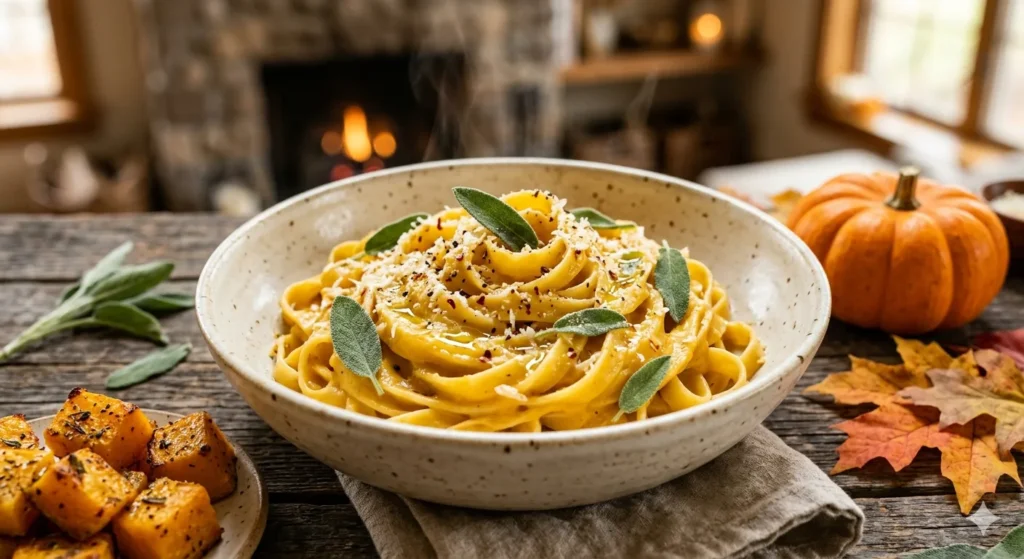
Are you tired of the same old tomato-based pasta sauces that are high in calories and low in nutrients? You’re not alone in your search for a healthier alternative that’s just as delicious.
Imagine a creamy, rich sauce made from a nutrient-dense ingredient. This ingredient not only tantalizes your taste buds but also boosts your health. That’s where butternut squash pasta sauce comes in, changing the game for traditional sauces.
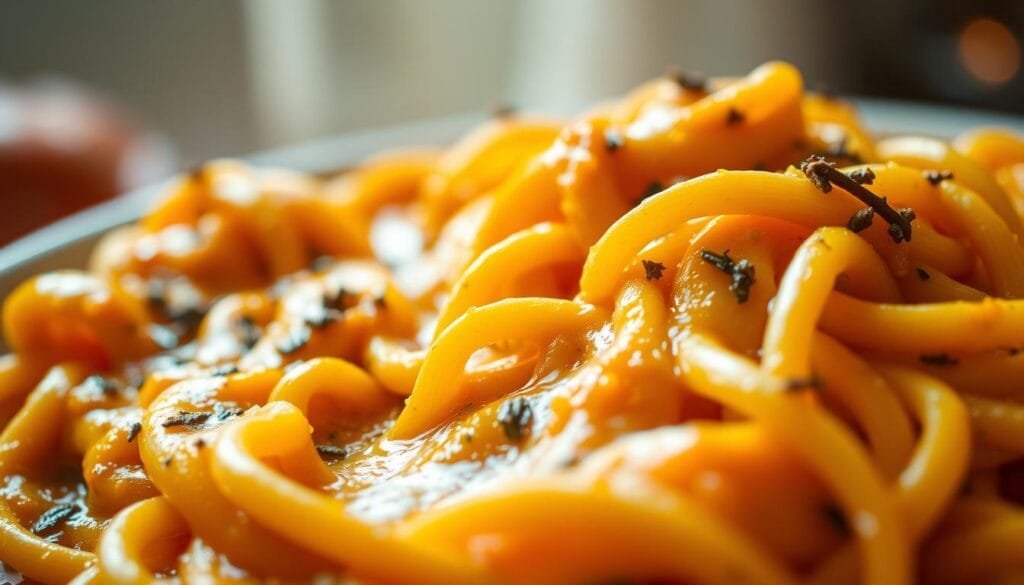
Enjoy a flavorful and nutritious meal by adding this sauce to your pasta dishes. Its health benefits and versatility make it a favorite among health-conscious foodies.
The Culinary Magic of Butternut Squash
Butternut squash can turn simple dishes into gourmet meals. It’s not just tasty but also full of nutrients.
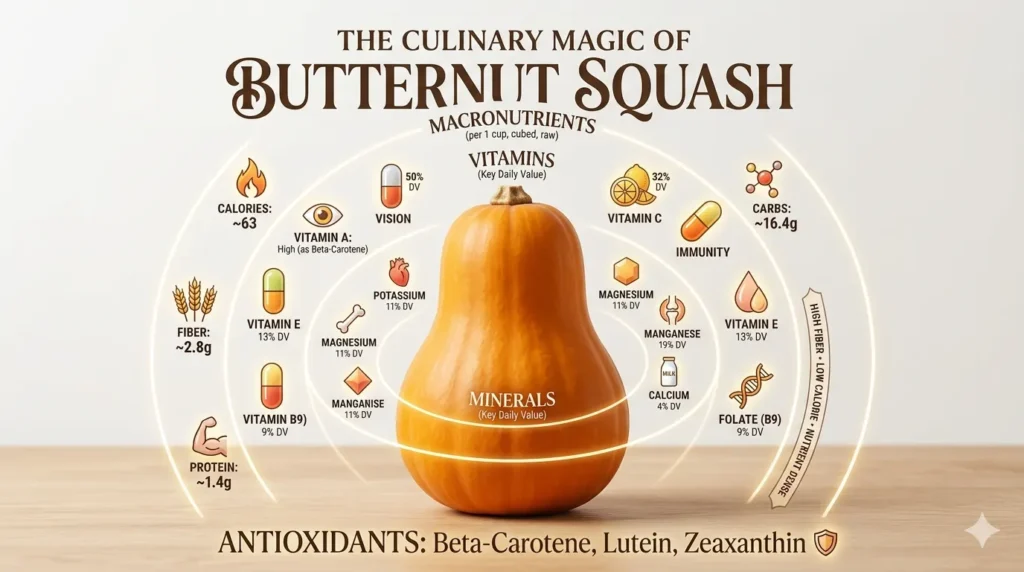
Nutritional Profile and Health Benefits
Butternut squash is a nutritional powerhouse. It’s rich in vitamins C and E, fiber, potassium, and magnesium. The Harvard T.H. Chan School of Public Health says it boosts immune function and skin health.
It’s high in vitamin C, which is great for your immune system. Its fiber helps with digestion, and potassium keeps blood pressure in check.
Seasonal Availability and Selection
Butternut squash is available from fall to early winter. It’s perfect for cozy meals. When picking, look for firm, heavy squash with a sweet, nutty smell.
How to Choose the Perfect Butternut Squash
To pick the best butternut squash, consider these tips:
- Look for a firm, even surface without soft spots.
- Choose a squash that is heavy for its size.
- Opt for a squash with a sweet, nutty aroma.
Choosing the right squash ensures the best flavor and texture for your pasta sauce.

- Large capacity: holds up to 8 quarts–great for large batches of soups, stews, and more
- Sturdy and fast heating: made of heavy-gauge stainless steel for reliable strength; aluminum-encapsulated base distribut…
- Riveted handles and glass lid: stainless-steel side handles come riveted for strength; transparent tempered-glass lid wi…
Why Butternut Squash Pasta Sauce Is a Game-Changer
Make your pasta nights special with butternut squash pasta sauce. It’s not just tasty; it’s also healthier. You won’t miss out on flavor or texture.
Creamy Texture Without Heavy Cream
This sauce gets creamy without heavy cream. Roasted butternut squash, blended with aromatics and olive oil, makes it smooth. It’s creamy and healthier.
Natural Sweetness and Complex Flavor
Butternut squash’s natural sweetness adds depth. Garlic, onions, and herbs bring out complex flavors. This mix of sweet and savory is amazing.
Versatility in Various Dishes
This sauce isn’t just for pasta. It’s great as a dip, sauce for gnocchi, or on baked potatoes. Here are some ideas:
- Pair it with pappardelle for a hearty meal
- Use it as a base for a creamy soup
- Serve it alongside roasted vegetables for added flavor
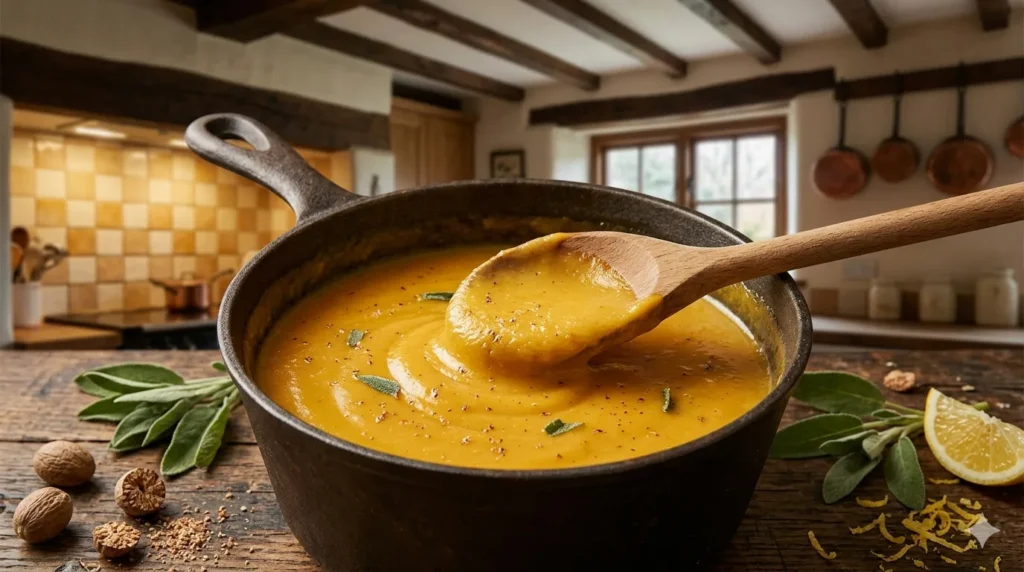


Adding homemade butternut squash sauce to your cooking is a game-changer. You’ll make easy butternut squash pasta recipes that wow everyone. It’s perfect for any meal, from weeknights to special occasions.
Essential Ingredients for Butternut Squash Pasta Sauce
A great butternut squash pasta sauce starts with key ingredients. You need the right parts to make a rich and tasty sauce.
Core Ingredients List
The main ingredients for a basic sauce are roasted butternut squash, aromatics, and a base. Here’s what you need:
- 1 medium butternut squash, roasted and pureed
- 2-3 cloves of garlic, sautéed
- 1 small onion, sautéed
- 1/4 cup of heavy cream or a non-dairy alternative
- 1/2 cup of grated Parmesan cheese (or vegan cheese)
- Salt and pepper to taste
- Optional: nutmeg, sage, or other herbs for added depth
Types of Aromatics and Their Impact
Aromatics are key to your sauce’s flavor. Garlic and onions are must-haves. But, you can also try shallots or leeks for something different. Cooking them until soft and fragrant makes them sweeter and deeper.
Optional Add-ins for Enhanced Flavor
Want to make your sauce even better? Add these optional ingredients:
- Roasted red peppers for a smoky sweetness
- Sun-dried tomatoes for a tangy, savory flavor
- Fresh or dried herbs like sage, thyme, or parsley
- A pinch of red pepper flakes for a spicy kick

- The OXO Good Grips Large Vegetable Prep Peeler is perfect for peeling large or thick-skinned vegetables like eggplant an…
- Comfortable, Y-shaped peeler prevents bruising and works with every grip
- Sharp, durable, Japanese stainless steel blades won’t rust
Ingredient Substitutions for Dietary Restrictions
It’s easy to make your sauce fit different diets with a few swaps.
Making It Vegan, Gluten-Free, or Dairy-Free
- For a vegan version, use vegan cheese and a non-dairy milk or cream.
- To make it gluten-free, choose gluten-free pasta; the sauce is naturally gluten-free.
- For a dairy-free version, replace heavy cream with coconut cream or almond milk.
By tweaking these ingredients, you can make a vegetarian butternut squash pasta sauce for everyone.
Step-by-Step Recipe for Classic Butternut Squash Pasta Sauce
Make a creamy butternut squash pasta sauce in just a few steps. It’s a family favorite. You’ll learn to prepare and roast the squash, sauté aromatics, and blend for a smooth texture.
Preparing and Roasting the Butternut Squash
Preheat your oven to 400°F (200°C). Cut a medium butternut squash in half and remove the seeds. Place it on a baking sheet, cut side up, and drizzle with olive oil. Roasting brings out the squash’s sweetness, adding flavor to your sauce.
Roasting vs. Boiling: Pros and Cons
- Roasting: Enhances flavor, caramelizes natural sugars
- Boiling: Quicker, but may result in less flavorful squash
Sautéing Aromatics for Flavor Base
In a skillet, heat olive oil over medium. Add garlic and onion, then sauté until the onion is clear. Add salt and pepper to enhance the flavors. This base is key for a rich sauce.
Blending Techniques for Silky Smooth Texture
Once the squash cools, scoop it into a blender. Add the aromatics, broth, and Parmesan cheese. Blend until smooth, adjusting the seasoning as needed.
Troubleshooting Common Texture Issues
If your sauce is too thick, add more broth. If it’s too thin, simmer it. For creaminess, add heavy cream or a dairy-free alternative.
- Too thick: Add more broth
- Too thin: Simmer to reduce
- Not creamy enough: Add heavy cream or dairy-free alternative
Follow these steps for a delicious butternut squash pasta sauce. Try adding sage for a seasonal twist or chipotle peppers for spice.
5 Delicious Variations of Butternut Squash Pasta Sauce
Take your pasta to the next level with these 5 tasty butternut squash pasta sauce variations. The basic recipe is just the beginning. By adding different ingredients, you can make unique flavors that keep your meals fresh and exciting.
Sage and Brown Butter Version
Give your sauce a nutty, aromatic twist with sage and brown butter. Cook butter until it’s golden, then mix in chopped sage. This combo is perfect with butternut squash, making a rich, comforting sauce.
Spicy Chipotle Butternut Sauce
For a spicy kick, try the Spicy Chipotle Butternut Sauce. Add chipotle peppers in adobo sauce for a smoky, spicy flavor. It’s great for those who want to spice up their pasta.
Butternut Squash Alfredo Fusion
Mix the creaminess of Alfredo with butternut squash for a tasty fusion. Add Parmesan cheese and a bit of cream to the basic sauce. This makes a rich, satisfying dish.
Curry-Spiced Butternut Sauce
Get an Indian twist with curry spices in your pasta sauce. The warm spices blend well with butternut squash, creating a complex flavor. It’s perfect for exploring new tastes.
Butternut Squash Marinara Blend
For a lighter sauce, blend butternut squash with marinara. This keeps the squash’s health benefits and adds a tangy tomato flavor. It’s great for a nutritious, tasty sauce.
These variations show how versatile butternut squash pasta sauce can be. You can make a new, easy butternut squash pasta recipe every time. Try these ideas to find your new favorite sauce.
Pairing Your Sauce with the Perfect Pasta
Finding the right pasta can take your butternut squash pasta sauce to the next level. The right shape and type of pasta can make a big difference. It affects how well the sauce sticks to it, improving the taste and feel of your dish.
Best Pasta Shapes for Thick Creamy Sauces
Thick and creamy sauces like butternut squash pasta sauce pair well with pasta shapes that have nooks and crannies. This helps the sauce cling to the pasta. Some top choices include:
- Penne: Its tube shape is perfect for chunky sauces.
- Farfalle: The bow-tie shape adds a fun touch and holds the sauce well.
- Rotini: Its spiral shape is great for creamy sauces.
Why Texture Matters in Pasta Selection
The pasta’s texture is important for how it pairs with the sauce. Smooth pasta shapes might not hold creamy sauces as well as rougher ones. Choosing pasta with the right texture is key to a harmonious pasta dish.
Whole Grain and Alternative Pasta Options
If you’re looking for a healthier or gluten-free option, whole grain and alternative pasta are great choices. They offer nutritional benefits and can add interesting flavors and textures to your dishes.
- Whole wheat pasta: It has more fiber than traditional pasta.
- Quinoa pasta: A good protein-rich alternative for gluten-free diets.
- Zucchini noodles (zoodles): A low-carb, vegetable-based option.
Cooking Pasta Properly for Sauce Adhesion
Cooking your pasta right is key for the sauce to stick to it well. Achieving the perfect al dente texture is essential. Overcooking makes the pasta too soft, while undercooking makes it hard and unpleasant.
To cook pasta correctly, follow these steps:
- Bring a large pot of salted water to a boil.
- Add the pasta and cook until al dente, following the package instructions.
- Save some pasta water before draining. It can help adjust the sauce’s consistency.
Creating Complete Meals with Butternut Squash Pasta Sauce
Turn your butternut squash pasta sauce into a filling meal with a few easy steps. Add protein and veggies to make a dish that’s both nutritious and tasty.
Protein Additions for a Balanced Dish
Adding protein to your butternut squash pasta sauce is key for a balanced meal. You can pick from many options, based on what you like to eat.
Meat Options: Chicken, Sausage, and Bacon
For those who love meat, consider adding:
- Grilled chicken breast, sliced into thin strips
- Spicy Italian sausage, crumbled and cooked
- Crispy bacon, crumbled or chopped
Vegetarian Proteins: Beans, Tofu, and Tempeh
For those who prefer plants, try:
- Cooked cannellini beans or chickpeas for extra fiber and protein
- Pan-seared tofu or tempeh, marinated in your favorite herbs
- Roasted chickpeas for a crunchy texture
Complementary Vegetable Pairings
Make your meal better with veggies that go well with butternut squash pasta sauce.
- Roasted cherry tomatoes for a burst of juicy sweetness
- Sautéed spinach or kale for a nutrient boost
- Grilled or sautéed bell peppers for added crunch
Garnishes and Finishing Touches
The last touches can make your dish even better. Think about adding:
- A sprinkle of parmesan cheese for a salty, nutty flavor
- Fresh herbs like sage or parsley for a bright, fresh taste
- A drizzle of extra virgin olive oil for added richness
With these tips, you can make a delicious and satisfying meal. It will show off the versatility of butternut squash pasta sauce.
Storage and Meal Prep Strategies
To keep your butternut squash pasta sauce fresh, it’s key to know how to store and prep it. This way, you can enjoy your homemade sauce all week without losing its flavor or quality.
Refrigeration Guidelines and Shelf Life
Store your sauce in an airtight container in the fridge to avoid contamination. It can stay good for 3 to 5 days. Always mark the container with the date you made it.
Freezing and Thawing Methods
Freezing is a great option for longer storage. Use containers or bags safe for the freezer, leaving space for expansion. Frozen sauce can last up to 3 months. To thaw, leave it in the fridge overnight or thaw quickly in cold water.
Batch Cooking for Weekly Meal Planning
Batch cooking is perfect for meal planning. Make a big batch of sauce and divide it into containers. This way, you have a quick, healthy meal ready whenever you need it.
Reheating Tips to Maintain Quality
Reheat your sauce gently over low heat, stirring now and then. You can also microwave it, but do it in short bursts and stir between each heating. Adding a bit of water or broth can help it regain its original consistency if it’s gotten too thick.
Nutritional Benefits of Butternut Squash Pasta Sauce
Butternut squash pasta sauce is a healthier choice than traditional pasta sauces. It’s not only tasty but also full of nutrients. This makes it a great option for a guilt-free meal.
Calorie and Macronutrient Comparison to Traditional Sauces
Butternut squash sauce has fewer calories and fat than cream-based sauces. A serving of butternut squash sauce has less than 150 calories and under 2g of fat. In contrast, cream-based sauces can have over 400 calories and 30g of fat.
This makes butternut squash sauce a good choice for those watching their calories.
Vitamin and Mineral Content
Butternut squash pasta sauce is full of vitamins and minerals. It’s a great source of vitamin A, vitamin C, and potassium. These nutrients help with vision, immune function, and heart health.
The sauce also has fiber, which helps with digestion and feeling full.
Adapting the Recipe for Low-Carb Diets
For low-carb diets, you can make butternut squash sauce even better. Use low-carb thickeners instead of traditional ones. Pair it with low-carb pasta made from veggies or legumes.
Adding butternut squash pasta sauce to your meals can make them delicious and healthy. It fits well with your dietary goals.
Conclusion: Elevate Your Pasta Nights with Homemade Butternut Squash Sauce
Making homemade butternut squash pasta sauce is easy and rewarding. It can make your pasta nights better and introduce new flavors. Butternut squash sauce is flexible, so you can try different ingredients and pairings.
This sauce is creamy without using heavy cream. It’s sweet and has complex flavors from the squash. You can adjust the sauce to fit your taste and dietary needs, making it a healthy and tasty choice.
By making your own butternut squash pasta sauce, you improve your pasta nights and feed your body well. Try this recipe and enjoy a homemade sauce that makes your pasta nights special.
Frequently Asked Questions About Butternut Squash Pasta Sauce
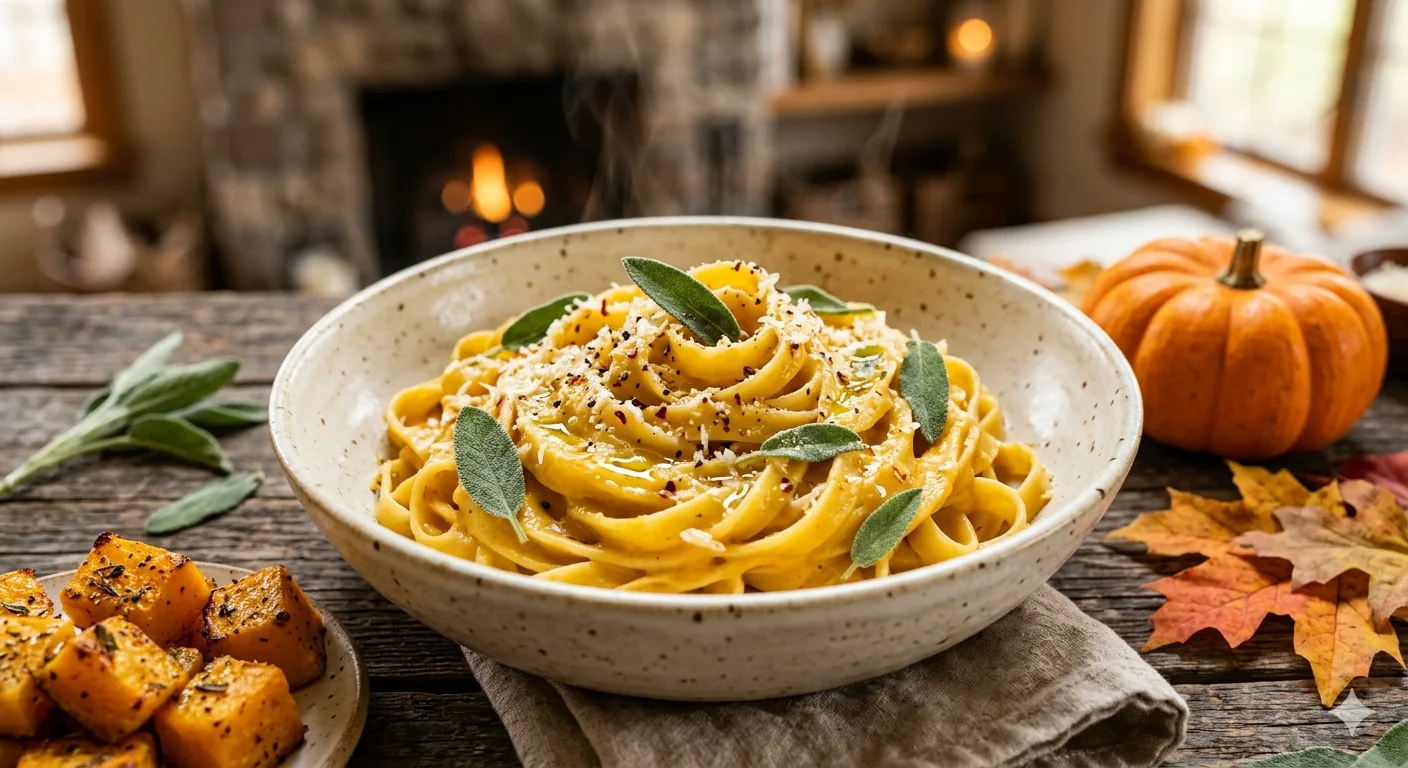
Butternut Squash Pasta Sauce
Ingredients
- 4 cups butternut squash, peeled and cubed
- 2 tablespoons olive oil
- 1 small onion, diced
- 2 garlic cloves, minced
- 1 cup vegetable broth or chicken broth
- ½ cup heavy cream (optional for extra richness)
- ½ cup grated parmesan cheese
- ½ teaspoon salt
- ¼ teaspoon black pepper
- ¼ teaspoon nutmeg
- ½ teaspoon dried sage or thyme
- 12 ounces pasta of choice
- Reserved pasta water as needed
Instructions
- Preheat your oven to 400°F and spread the cubed butternut squash on a baking tray. Drizzle with olive oil and roast for 20 to 25 minutes until tender.
- In a skillet, sauté the diced onion and garlic until soft and fragrant.
- Add the roasted butternut squash, broth, cream, parmesan, salt, pepper, nutmeg, and herbs to a blender.
- Blend until completely smooth and silky.
- Meanwhile, cook the pasta according to package directions and reserve 1 cup of pasta water.
- Pour the sauce back into the skillet and simmer gently for 3 to 5 minutes.
- Add cooked pasta and toss until fully coated. Thin with pasta water if needed.
- Serve warm with extra parmesan, cracked pepper, and fresh herbs.
Recipe Notes
- This sauce becomes even more flavorful if you roast the squash until lightly caramelized. For a vegan version, replace cream with oat milk or cashew cream and use nutritional yeast instead of parmesan. Add cooked sausage, crispy bacon, or sautéed mushrooms if you want a heartier meal.
There are no reviews yet. Be the first one to write one.