
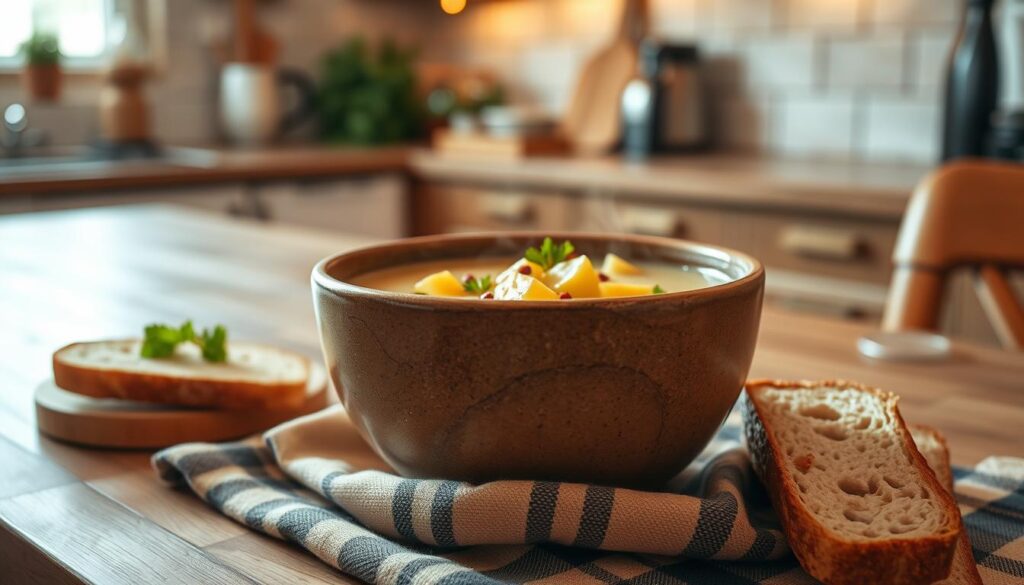
Have you ever wondered why one homemade bowl of Chicken Potato Soup can turn a chilly evening into pure comfort? When temperatures drop, a steaming pot of tender chicken, hearty potatoes, and savory herbs warms you from the inside out.
This easy chicken potato soup recipe is a go-to choice for relaxed family dinners. Tender poultry, hearty root vegetables, and rich, creamy broth create a balanced dish for every appetite.
This guide shows you how to master chicken potato soup with simple preparation steps. You will also find cooking tips, serving ideas, and storage advice to keep your meal delicious for days.
Key Takeaways
- Learn the secrets to achieving a perfectly creamy texture without heavy additives.
- Discover how to prep your ingredients efficiently to save time on busy weeknights.
- Explore versatile vegetable additions that boost the nutritional value of your meal.
- Get expert advice on how to store and reheat leftovers while maintaining flavor.
- Find out which side dishes pair best to create a complete, restaurant-quality dining experience.
What Makes This Chicken Potato Soup So Comforting
When temperatures drop, few meals comfort us like a hearty bowl of soup. This home-cooked chicken potato soup blends familiar, wholesome ingredients into one satisfying dish, with textures that feel nourishing and indulgent.
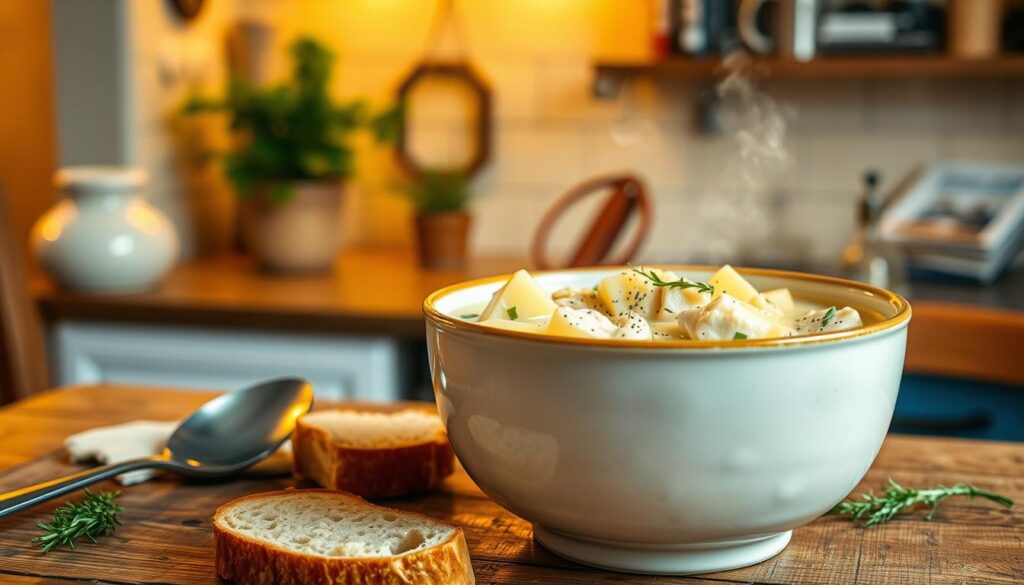

- Useful Size: 8.5″ Dia, awesome depth 2.4″ H, Normal capacity: 45oz, Limit capacity: 50oz.Our bowls are suitable for sala…
- Wide And Deep: Wide mouth, even large size food can be easily put in. It could quickly cool the food, so save your time …
- Easy To Clean And Stackable: These pasta bowls have a smooth and tight ceramic glaze surfaceare so they are easy to clea…
How Tender Chicken, Potatoes, and Creamy Broth Work Together
This dish works because its main ingredients complement one another. Tender chicken adds savory protein, while soft, starch-rich potatoes give each spoonful comforting weight. This velvety, creamy chicken and potato soup base rivals classic cookbooks’ best potato soup recipes.
Potato starch naturally thickens the broth, creating a luxurious mouthfeel. This texture makes the soup especially warming. Savory chicken and mildly sweet, earthy potatoes create a deep, balanced flavor.
Why This One-Pot Method Fits Cozy Family Meals
A one-pot method simplifies your evening routine without sacrificing quality. Cooking everything together develops the flavors and reduces cleanup. This approach makes chicken potato soup ideal for busy weeknights and homemade meals that feel special.
Efficiency is the primary benefit of this cooking style. You manage fewer pans and spend more time enjoying your warm kitchen with family. This simple process keeps the meal consistent, flavorful, and perfectly suited to a relaxing night at home.
Ingredients for Homemade Chicken Potato Soup
To make a hearty chicken and potato soup, learn how each key ingredient supports the dish. Fresh, high-quality ingredients create deep, satisfying flavor. Together, they build a balanced meal that warms you from the inside out.
Chicken, Potatoes, and Hearty Vegetables
The base of any homemade chicken potato soup starts with fresh chicken and earthy vegetables. Choose firm potatoes, crisp carrots, and fragrant onions for structure and natural sweetness. Together, they fill each spoonful with hearty texture.
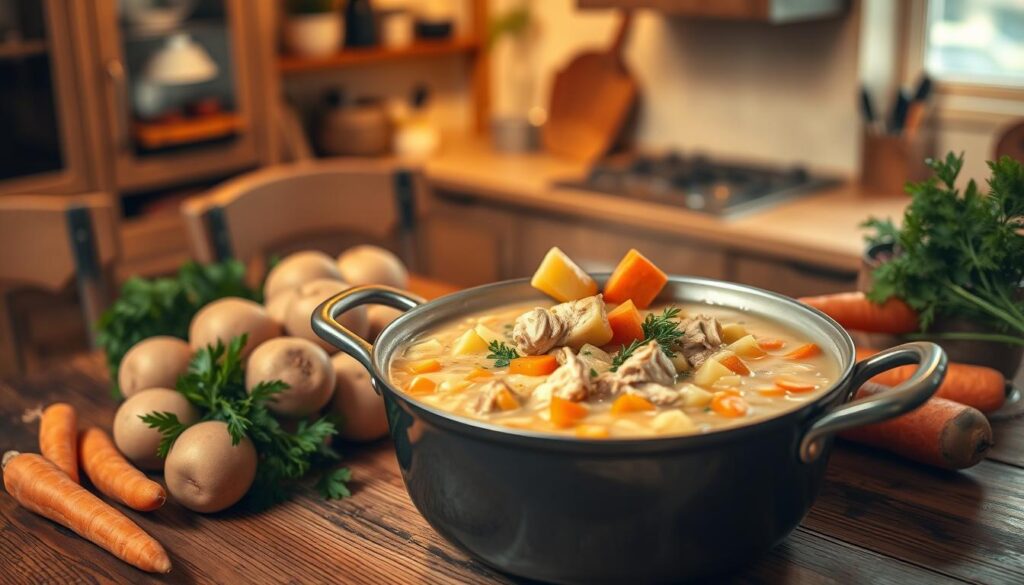

- 3 Manual Heat Settings: Choose from high, low, and warm, for cooking flexibility no matter what you’re making
- 2-Quart Capacity: Feeds 2+ people and is perfectly sized for preparing small meals, dips, and sides
- Keep Warm Setting: The manual warm setting allows you to keep your food at serving temperature when it’s time to eat
Broth, Dairy, Herbs, and Seasonings
A rich liquid base brings all the solid ingredients together. High-quality chicken stock adds savory depth that water cannot match, while heavy cream or half-and-half creates a velvety, luxurious consistency.
Fresh thyme, parsley, and rosemary give the soup a bright, aromatic finish. Salt, black pepper, and a little garlic powder balance the dairy’s richness. These simple pantry staples create a restaurant-quality meal.
Choosing the Best Potatoes for a Creamy Texture
Choosing the right potatoes is crucial for your hearty chicken and potato soup. Yukon Gold potatoes work well because their buttery flavor and creamy texture hold up during simmering. For a firmer bite, choose red potatoes, which keep their shape during long cooking.
Using Chicken Breasts, Thighs, or Rotisserie Chicken
Your protein choice affects the richness of your homemade chicken potato soup. Chicken thighs contain more fat, creating tender meat and flavorful broth. For a leaner option, cook chicken breasts gently to keep them from becoming dry.
When time is short, shredded rotisserie chicken offers a useful shortcut. Its savory, pre-cooked flavor saves preparation time without sacrificing quality. Whatever cut you choose, shred or cube the meat evenly for consistent cooking.
How to Prepare the Ingredients
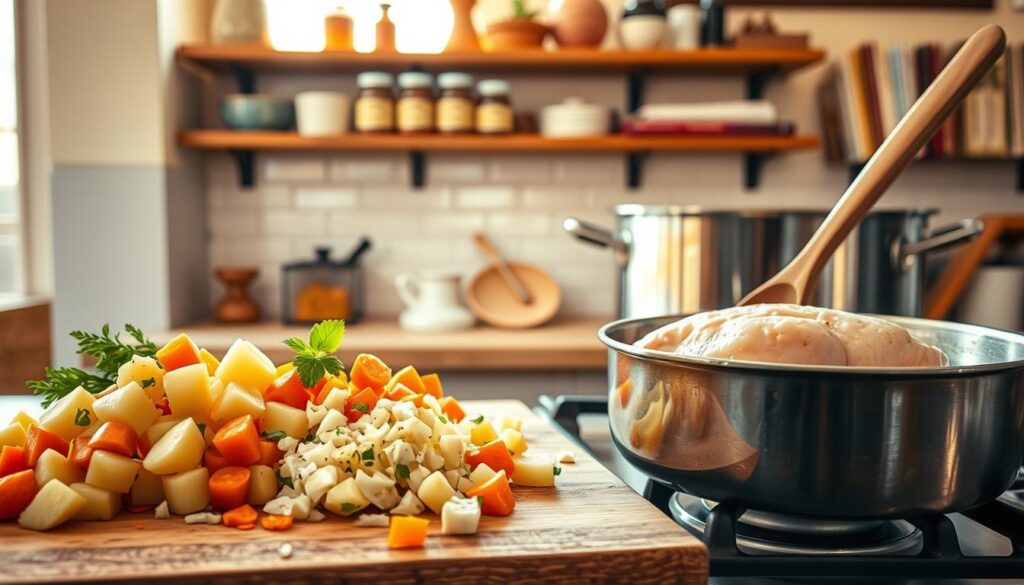
An organized workspace makes cooking easier. Prepare your raw ingredients first, so this easy chicken potato soup recipe comes together without stress or rushing.
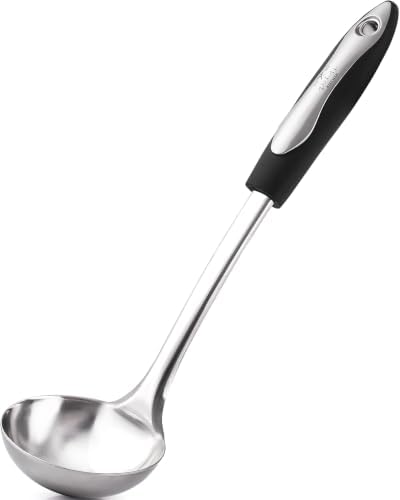
- Durable & Reliable Soup Ladle: If you love making recipes that are brothy like stew, soup, or saucy Italian dishes like …
- Comfortable Grip Handle: Thoughtfully crafted with a rubber insulated handle ergonomically designed to fit right in your…
- Economical & Versatile: The sleek construction with its modern design is perfect for serving soups and stews with style….
Cutting the Chicken and Vegetables Evenly
Cut chicken breasts and vegetables into similar, bite-sized pieces. This helps every ingredient finish cooking at the same time.
Large, uneven chunks may leave some pieces overcooked and others raw. Consistent sizing helps heat reach each ingredient evenly, improving the soup’s texture.
Preparing Potatoes to Prevent Browning
Potatoes add heartiness to soup, but peeled, sliced potatoes can discolor quickly. Place cut potatoes in cold water right after chopping.
This step prevents oxidation and keeps the starch from turning brown before cooking. Drain and pat potatoes dry before adding them to your pot for the easy chicken potato soup recipe.
Measuring Seasonings and Organizing the Cooking Steps
Mise en place means measuring spices, herbs, and liquids before turning on the stove. Keep salt, pepper, broth, and aromatics in small bowls. You will not need to search for ingredients while the pot is hot.
An organized cooking sequence helps you stay focused. With everything prepped and nearby, you can follow your easy chicken potato soup recipe with confidence and ease.
How to Make Chicken Potato Soup in One Pot
Preparing a hearty meal does not require many dirty dishes. Use one heavy-bottomed pot or Dutch oven to build deep flavor in your one pot chicken potato soup. This simple method keeps your kitchen clean while letting every ingredient shine.
Sauté the Aromatics for a Flavorful Base
Start by heating a small amount of oil or butter over medium heat. Add diced onions, carrots, and celery, then cook them until soft and fragrant.
Add minced garlic during the final minute to prevent burning. This step helps any easy chicken potato soup recipe release natural sugars and aromatics into the soup base.
Cook the Chicken Until Tender and Fully Done
Push the vegetables aside and add bite-sized chicken pieces to the pot. Sear the meat until it turns light golden brown on all sides.
- Ensure the chicken is cut into uniform pieces for even cooking.
- Avoid overcrowding the pot to allow for proper browning.
- Season the chicken lightly with salt and pepper while it sears.
Simmer the Potatoes and Vegetables in the Broth
Pour in chicken stock, scraping the pot’s bottom to release browned bits. Add cubed potatoes, bring the liquid to a gentle boil, then reduce the heat.
Cover the pot and cook until the potatoes are fork-tender. This stage lets potato starch thicken the broth, creating a rich texture for your creamy chicken and potato soup.
Thicken the Soup and Add the Creamy Finish
Once the vegetables are soft, add a flour-based roux or cornstarch slurry for your desired consistency. Slowly stir in heavy cream or half-and-half to finish the dish.
Safe Internal Temperature for Chicken
Food safety matters when preparing this chicken potato soup. Always use a digital meat thermometer to confirm that the chicken reaches 165°F before serving.
How to Keep the Dairy From Curdling
For a smooth, velvety texture, avoid boiling the soup after adding dairy. Follow these tips to keep your creamy chicken and potato soup perfect:
- Temper the cream by mixing it with a little warm broth before adding it to the pot.
- Keep the heat on low once the dairy is incorporated.
- Remove the pot from the burner immediately if you notice small bubbles forming.
Following this easy chicken potato soup recipe ensures a professional result every time. By managing heat and timing, you create a comforting meal that is safe and delicious.
How to Get the Best Flavor and Texture
Mastering soup making can turn pantry staples into a gourmet meal. Specific techniques help create the depth and texture found in the best potato soup recipes. Careful cooking ensures each spoonful delivers rich flavor.
Building Flavor With Proper Browning and Seasoning
First, brown your chicken and aromatics thoroughly in the pot. This creates fond, a flavorful base that adds depth to the broth. Layering your seasonings throughout cooking, instead of all at once, helps flavors meld.
Keeping Potato Pieces Tender Without Making Them Mushy
Timing matters when you prepare a hearty chicken and potato soup. Add potatoes after the base develops enough flavor, so they do not overcook. Keep the heat at a gentle simmer to protect the starch’s structure.
Balancing a Thick, Creamy Broth With Savory Chicken Flavor
Thicken the broth gradually to achieve the right consistency. Whisk dairy or thickening agents in slowly to prevent curdling and create a smooth texture. Taste your broth frequently to keep the savory chicken flavor strong against the rich cream.
Easy Adjustments for Dietary Preferences
Making adjustments to your meals lets you enjoy comfort food while supporting your wellness journey. You can modify this recipe for your needs without losing its rich, savory character. Whether you want a healthy chicken and potato soup or must avoid allergens, these swaps keep dinner delicious.
Making Healthy Chicken and Potato Soup
To make this classic lighter, add more nutrient-dense vegetables. Extra carrots, celery, or kale can greatly increase the fiber. Using lean chicken breast instead of thighs reduces fat while keeping the protein high.
Fresh herbs and aromatics like garlic, onions, and leeks build deep flavor without extra butter or oil. These ingredients make your healthy chicken and potato soup taste rich and satisfying.
Creating a Dairy-Free Version
If you avoid dairy, plant-based options can still create a smooth texture. Unsweetened almond milk or oat milk works well instead of traditional cream. Coconut milk is another good choice, but it may add a subtle tropical flavor to your broth.
Reducing Sodium Without Losing Flavor
Managing salt is easy when you control your soup base. Start with low-sodium or no-salt-added chicken broth. You can compensate for the lack of salt with fresh lemon juice, cracked black pepper, and thyme or rosemary.
Using Gluten-Free Ingredients
Making a gluten-free meal is simple when you check your pantry staples. Potatoes and chicken are naturally gluten-free, but check that your broth and seasonings are certified safe. Check all labels on pre-packaged items for hidden wheat-based thickeners.
- Use cornstarch or arrowroot powder as a safe, gluten-free thickener.
- Ensure your bouillon cubes or base pastes are labeled gluten-free.
- Verify that any added spices or herb blends do not contain anti-caking agents derived from wheat.
Slow Cooker Chicken Potato Soup Method
Making slow cooker chicken potato soup lets you add ingredients in the morning and return to a ready-to-eat dinner. This method suits busy families who want a hearty meal without constant monitoring. Used correctly, your appliance creates the same deep, comforting flavors as a stovetop version.
When to Add the Chicken, Potatoes, Vegetables, and Broth
For even cooking, place chopped potatoes and hearty vegetables at the bottom of the slow cooker. They need more time to soften and benefit from being closest to the heat source. Place chicken breasts or thighs on top, then pour broth over everything to submerge the ingredients.
Slow Cooker Timing for Boneless Chicken
Cooking times vary by your model and the size of your chicken pieces. Boneless chicken usually becomes tender after 3 to 4 hours on high or 6 to 7 hours on low. Always use a meat thermometer to confirm the internal temperature reaches 165°F, rather than relying only on the clock.
Adding Cream or Thickener Near the End
Dairy products can curdle after long exposure to high heat. For best results, stir in heavy cream, milk, or flour-based thickener during the final 30 minutes. This keeps your slow cooker chicken potato soup smooth and velvety without separating.
How to Prevent Overcooked Potatoes
Potatoes can become mushy if they simmer too long in a slow cooker. Cut them into uniform, one-inch chunks so they cook at a consistent rate. If they soften too quickly, check them often and consider switching to a lower heat setting.
How to Shred the Chicken Before Serving
After the chicken cooks fully, carefully remove it with tongs. Place the pieces on a cutting board, then use two forks to pull the meat into bite-sized shreds. Stir the shredded chicken into your slow cooker chicken potato soup just before serving, so every bowl is packed with protein.
Ways to Customize Creamy Chicken and Potato Soup
You can turn a standard recipe into a signature family dish by customizing dinner. Boost nutrition or test new flavors with your creamy chicken and potato soup as a flexible base.
Adding Corn, Green Beans, Celery, or Spinach
Extra vegetables add color and texture to your meal. Sauté celery with your aromatics first, or stir in frozen corn and green beans during the final simmering minutes.
Add delicate greens like spinach right before serving. The residual heat wilts the leaves without making them mushy, keeping your creamy chicken and potato soup fresh and bright.
Including Bacon, Cheese, or Fresh Herbs
Add savory toppings to make your bowl richer and complement the hearty potatoes. Crispy bacon brings salty crunch, while sharp cheddar or parmesan cheese adds an indulgent depth of flavor.
“The secret to a great soup often lies in the final garnish, which brings all the individual flavors together into one cohesive experience.”
Fresh herbs can brighten the dish. Stir in these options just before serving:
- Fresh chopped parsley for a clean, earthy finish.
- Snipped chives for a mild onion flavor.
- Fresh thyme leaves to enhance the savory notes of the chicken.
Adjusting the Soup With More Broth or a Thicker Base
Your soup may be too thick or too thin for your preference. For a lighter, broth-heavy texture, stir in an extra cup of chicken stock.
For a heartier, thicker base, whisk in a small amount of cornstarch slurry or heavy cream. Add thickeners gradually to keep a balanced texture that coats the back of your spoon.
Making the Recipe Spicier With Pepper, Paprika, or Red Pepper Flakes
If you enjoy heat, adjust the spice level to suit your taste. Smoked paprika adds warmth and color, while freshly cracked black pepper provides a sharp, classic bite.
For a bolder kick, add red pepper flakes. Start with a small pinch because the heat grows as the soup simmers, helping control every spoonful.
What to Serve With Chicken Potato Soup
A few smart additions can turn your soup bowl into a complete meal. Although a hearty chicken and potato soup fills you up, the right sides improve its textures and flavors.
Crusty Bread, Biscuits, and Crackers for Dipping
Nothing complements a creamy bowl like something crunchy that soaks up the broth. Warm, crusty sourdough or a rustic baguette holds every last drop.
If you prefer something softer, choose homemade buttermilk biscuits. Simple saltine or buttery oyster crackers add classic, nostalgic crunch to the creamy soup.
Fresh Salads and Roasted Vegetables for Balance
This dish is rich and filling, so a crisp side salad helps balance the meal. Light vinaigrette cuts through the creaminess of hearty chicken and potato soup and refreshes your palate.
Roasted asparagus or green beans add a pleasant snap and earthy flavor. These sides provide a nutritional boost and make dinner satisfying for the whole family.
Garnishes That Add Color, Freshness, and Texture
Garnish your hearty chicken and potato soup with fresh herbs for a finishing touch. Parsley or chives add vibrant color and bright flavor to the bowl.
For extra depth, consider these options:
- A dash of freshly cracked black pepper for a subtle heat.
- Shredded sharp cheddar cheese to enhance the savory profile.
- Crispy bacon bits for a smoky, salty crunch.
- A dollop of sour cream or a squeeze of lemon juice to brighten the overall flavor.
How to Store, Reheat, and Freeze the Soup
Whether you made a quick stovetop meal or hearty slow cooker chicken potato soup, learn how to handle leftovers. Proper storage keeps food safe and preserves ingredient quality for your next meal.
Refrigerating Leftover Soup Safely
Cool your soup quickly after cooking to keep it fresh. Do not leave the pot on the counter longer than two hours, because bacteria can grow.
Transfer the soup to shallow, airtight containers so it chills faster in the refrigerator. Follow these storage steps:
- Use glass or BPA-free plastic containers with tight-fitting lids.
- Label the container with the date to track freshness.
- Store the soup in the coldest part of your fridge for up to three days.
Freezing Chicken Potato Soup Without Ruining the Texture
Freezing can be tricky because dairy-based broths may separate after thawing. Freeze slow cooker chicken potato soup before adding cream or milk.
Potatoes may become grainy or mushy after freezing and thawing. If you freeze the finished soup, expect the vegetables to change slightly when reheated.
Reheating Gently on the Stovetop or in the Microwave
When ready to eat, reheat the soup slowly to keep the dairy from curdling. Low stovetop heat best preserves a smooth, creamy texture.
If you prefer the microwave, heat the soup in short intervals and stir often. This helps distribute heat evenly throughout the bowl.
Adding Broth After the Potatoes Absorb Liquid
Potatoes often absorb much of the liquid while the soup sits in the fridge. This makes the soup much thicker than it was when first made.
Stir in a splash of chicken broth or water while reheating to restore its texture. This keeps your meal as delicious as it was on cooking day.
Common Problems and Simple Recipe Fixes
Troubleshooting kitchen creations helps you master any soup recipe. Even with a healthy chicken and potato soup guide, small problems may appear while cooking.
Fixing Soup That Is Too Thin
If your broth lacks body, thicken it without changing its flavor. A simple cornstarch slurry—made by mixing equal parts cornstarch and cold water—works well in a simmering pot.
Alternatively, mash a few cooked potato chunks against the pot’s side. Their natural starches create a creamy, thicker consistency.
Correcting Soup That Is Too Thick, Salty, or Bland
If your soup becomes too thick, whisk in a little warm chicken broth until you reach your preferred texture. If it tastes too salty, add water or a few potato chunks to absorb excess sodium.
When your healthy chicken and potato soup tastes bland, do not grab the salt shaker first. Instead, add fresh herbs, a squeeze of lemon juice, or a pinch of smoked paprika for more depth.
Preventing Rubbery Chicken and Undercooked Potatoes
Rubbery chicken usually comes from overcooking or using heat that is too high. Keep it tender by adding the chicken pieces midway through cooking.
Cut potatoes into uniform, bite-sized pieces so they soften evenly. Managing your simmer time is essential. Vigorous boiling can make vegetable outsides fall apart while centers stay firm.
Conclusion
Making perfect chicken potato soup can turn your evening routine into a relaxing experience. You can combine tender poultry, hearty root vegetables, and rich, creamy broth into a reliable meal.
This homemade chicken potato soup provides a flexible foundation for culinary creativity. Adjust the ingredients for your family’s dietary needs or flavor preferences. Add garden vegetables or bold garnishes for a nourishing bowl of warmth.
Efficiency matters for busy households. The one pot chicken potato soup method reduces cleanup while locking in deep, savory flavors. These preparation and storage techniques help your kitchen run smoothly throughout the week.
Use these insights to make a meal that brings everyone together. Troubleshooting common issues helps ensure every batch tastes delicious. Start cooking with confidence and enjoy a warm, satisfying bowl.
What makes this the best potato soup recipes for a cold evening?
Which potatoes should I use for a homemade chicken potato soup?
Can I use rotisserie chicken in this easy chicken potato soup recipe?
How do I ensure my one pot chicken potato soup has the best flavor?
Is it possible to make a healthy chicken and potato soup without losing the creaminess?
How do I adapt this into a slow cooker chicken potato soup?
What can I do if my creamy chicken and potato soup is too thin?
Can I freeze homemade chicken potato soup for later?
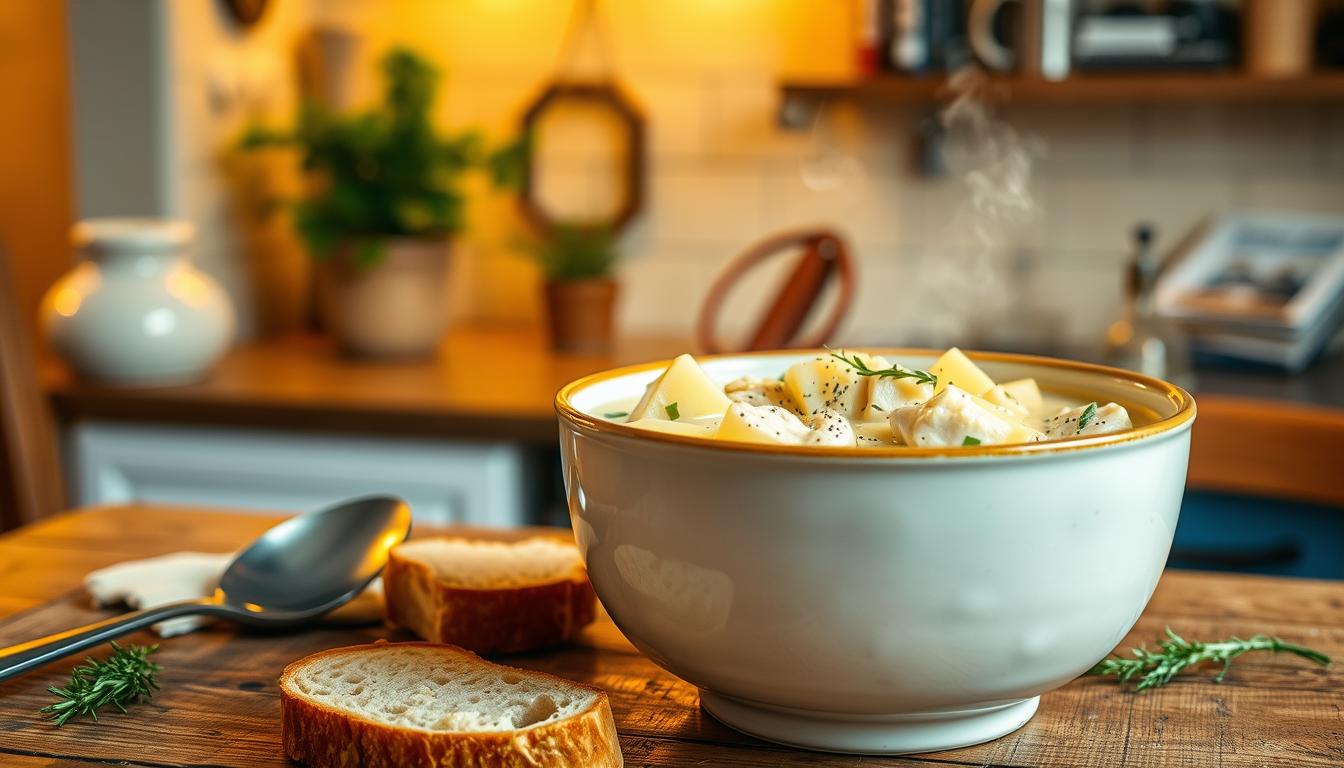
The Best Chicken Potato Soup Recipe
Ingredients
- 1½ lbs Boneless, skinless chicken breasts
- 4 medium Russet potatoes, peeled and diced
- 2 Carrots, sliced
- 2 stalks Celery, diced
- 1 medium Yellow onion, diced
- 3 cloves Garlic, minced
- 6 cups Chicken broth
- ½ cup Heavy cream
- 2 tbsp Olive oil
- 1 tsp Dried thyme
- 1 tsp Dried parsley
- 1 tsp Salt
- ½ tsp Black pepper
- 1 Bay leaf
- 2 tbsp All-purpose flour
Instructions
- Sauté the vegetables: Heat olive oil in a large pot over medium heat. Add the onion, carrots, and celery. Cook for 4–5 minutes until slightly softened.
- Add garlic: Stir in the minced garlic and cook for about 30 seconds.
- Add the chicken and broth: Place the chicken breasts in the pot and pour in the chicken broth. Add thyme, parsley, bay leaf, salt, and black pepper.
- Add the potatoes: Stir in the diced potatoes and bring the soup to a gentle boil.
- Simmer: Reduce the heat, cover, and simmer for 20–25 minutes, until the potatoes are tender and the chicken is fully cooked.
- Shred the chicken: Remove the chicken and shred it with two forks. Return the shredded chicken to the pot.
- Thicken the soup: In a small bowl, whisk the flour with the heavy cream until smooth. Slowly stir the mixture into the soup.
- Finish cooking: Simmer uncovered for another 3–5 minutes, stirring occasionally, until the soup thickens slightly.
- Taste and serve: Remove the bay leaf. Taste and adjust the salt and pepper as needed. Serve hot with crusty bread or crackers.
Recipe Notes
- Russet potatoes create a naturally creamy texture, while Yukon Gold potatoes hold their shape well.
- You can substitute chicken thighs for chicken breasts for richer flavor.
- Add extra vegetables such as peas, corn, or spinach for more variety.
- For a thicker soup, mash a few of the cooked potatoes directly in the pot.
- Store leftovers in an airtight container in the refrigerator for up to 4 days.
There are no reviews yet. Be the first one to write one.