
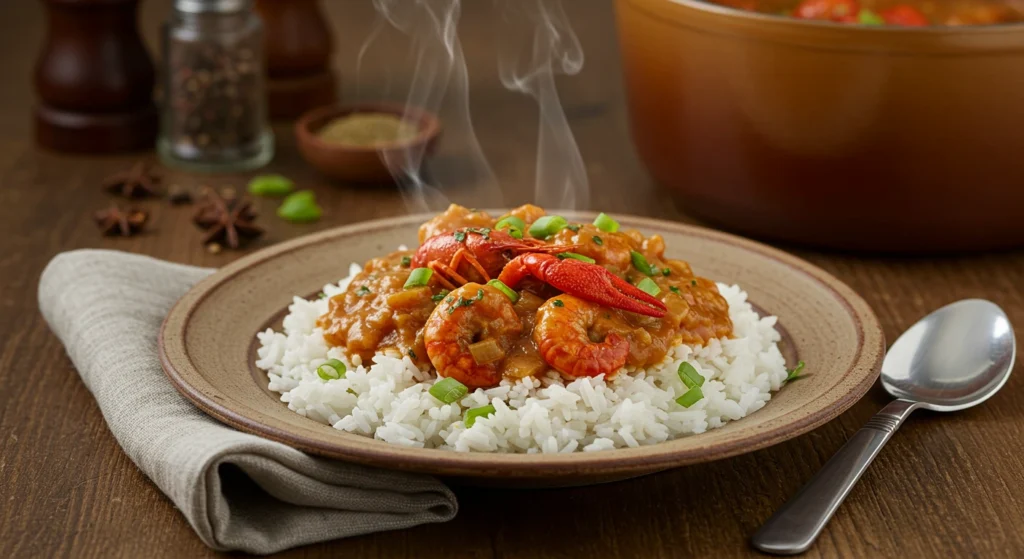
Ready to transform your kitchen into a Louisiana bistro? Many home cooks avoid classic Southern dishes like crawfish étouffée, believing they’re too complicated. The great news is that creating a truly exceptional étouffée is achievable and rewarding, often taking less time and effort than you think.
Ingredients
Crafting the perfect crawfish étouffée starts with selecting the right ingredients, as each one is vital for building the dish’s layered flavors. Below is a summary of the essentials and key substitution tips:
Simplified Crawfish Étouffée Shopping List
This recipe is built on four core components: the crawfish, the roux, the holy trinity, and the stock/seasoning.
- Crawfish: 1 lb (450g) peeled, defrosted Louisiana crawfish tails.
- Roux: Equal parts Vegetable Oil (½ cup) and All-Purpose Flour (½ cup).
- The Trinity: 1 finely diced Yellow Onion, 2 stalks diced Celery, and 1 diced Green Bell Pepper. Plus, 4 cloves of minced Garlic.
- Liquids & Seasoning:
- 4 cups Seafood or Chicken Stock (the backbone).
- Cajun Seasoning (2-3 tsp), Thyme (1 tsp), Oregano (½ tsp), and Cayenne Pepper (¼ tsp or more).
- Salt and Pepper to taste.
Key Optional Additions:
- Diced Tomatoes (1 can): Adds acidity and color; omit for a traditional, darker étouffée.
- Heavy Cream (½ cup): For a richer, velvety texture.
For Serving:
- Fresh Parsley and Green Onions for garnish.
- Hot cooked rice
Timing
Efficiency in the kitchen is key, and while crawfish etouffee recipe tastes like it simmered all day, the active cooking time is surprisingly manageable. Here’s a breakdown to help you plan your culinary adventure:
- Preparation Time: 20-25 minutes (This includes chopping the holy trinity, mincing garlic, and gathering all your ingredients.)
- Cooking Time: 60-70 minutes (The majority of this time is dedicated to building the roux and simmering the étouffée to perfection.)
- Total Time: Approximately 90-95 minutes. This is often 20% less time than the average, more complex Cajun stew recipes you might find, making this crawfish etouffee recipe an excellent choice for a satisfying weeknight meal or a relaxed weekend gathering. The key to this efficiency lies in proper mise en place and understanding the roux process.
Step-by-Step Instructions
Embark on your journey to étouffée mastery with these clear, actionable steps. Each instruction is designed to be easy to follow, ensuring your success.
Step 1: Crafting the Golden Roux – The Soul of Your Étouffée
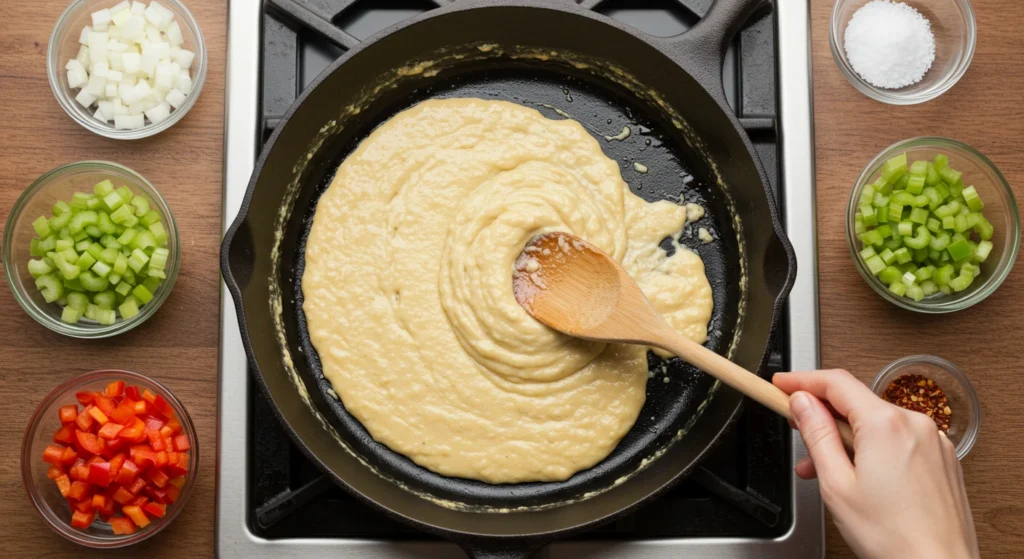
In a large, heavy-bottomed pot or Dutch oven, heat the vegetable oil over medium heat. Once shimmering, gradually whisk in the all-purpose flour. Continue to whisk constantly and patiently for 10-15 minutes, or until the mixture transforms into a rich, peanut butter-colored roux. This is where the magic happens! Don’t rush this step; a perfectly toasted roux is paramount for the depth of flavor in your crawfish etouffee recipe. Pro Tip: If your roux starts to burn, discard it and start over. A burnt roux will make your entire dish bitter.
Step 2: Sautéing the Holy Trinity – Building the Aromatic Foundation
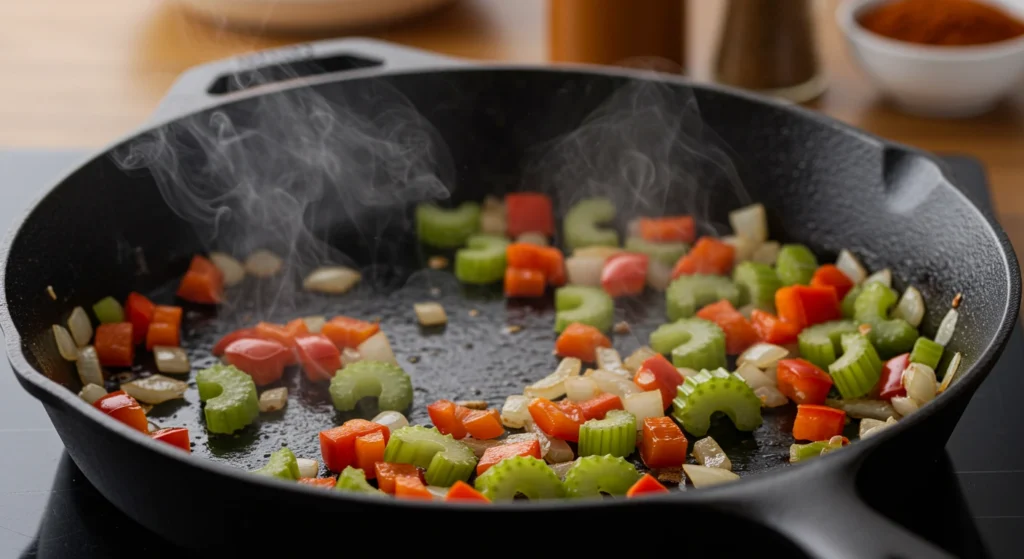
Once your roux reaches the desired color, immediately add the diced yellow onion, celery, and green bell pepper to the pot. Stir continuously for 8-10 minutes, allowing the vegetables to soften and release their aromatic oils. The residual heat from the roux will help them cook down beautifully. Personalized Insight: Some chefs prefer to sauté their trinity separately before adding the roux, but integrating them into the roux allows the vegetables to absorb those deep, nutty flavors directly.
Step 3: Infusing with Garlic and Spices – The Flavor Explosion
Add the minced garlic, Cajun seasoning, dried thyme, dried oregano, and cayenne pepper to the pot. Cook for another 1-2 minutes, stirring constantly, until the garlic becomes fragrant. Be careful not to burn the garlic, as this can turn bitter quickly. The warmth will awaken the spices, creating an incredible aroma that will fill your kitchen.
Step 4: Adding the Liquid – Achieving the Perfect Consistency
Gradually whisk in the seafood or chicken stock, a cup at a time, ensuring a smooth consistency after each addition. Continue whisking until all the stock is incorporated and the sauce begins to thicken. If using, stir in the diced tomatoes and their juices. Bring the mixture to a gentle simmer. Actionable Tip: If your sauce appears too thick, add a little more stock or water until you reach your desired consistency. If it’s too thin, let it simmer uncovered for a few more minutes to reduce.
Step 5: The Crawfish Grand Entrance – Bringing it All Together

Reduce the heat to low, and gently stir in the defrosted crawfish tails. If you’re adding heavy cream for extra richness, now is the time to stir it in. Cook for just 5-7 minutes, or until the crawfish tails are heated through. Overcooking crawfish can make them tough, so be mindful of the timing. Taste and adjust seasonings with salt and freshly ground black pepper as needed. Your crawfish etouffee recipe is almost complete!
Step 6: The Finishing Touch – Freshness and Presentation
Remove the pot from the heat. Stir in half of the chopped fresh parsley and green onions. Ladle the hot crawfish étouffée generously over mounds of steaming white rice. Garnish with the remaining fresh parsley and green onions. Serve immediately and prepare for rave reviews!
Nutritional Information
Understanding the nutritional breakdown of your crawfish etouffee recipe can help you make informed dietary choices. While specific values can vary based on ingredients and portion sizes, here’s a general overview per serving (assuming 6 servings per recipe):
- Calories: ~350-450 kcal
- Protein: ~25-35g (primarily from crawfish)
- Fat: ~20-30g (varies significantly based on oil used and optional cream)
- Saturated Fat: ~5-10g
- Carbohydrates: ~15-25g (from flour, vegetables, and optional tomatoes)
- Fiber: ~2-4g
- Sugars: ~3-5g
- Sodium: ~700-1000mg (varies based on stock and Cajun seasoning. Data Insight: Many Cajun seasonings are high in sodium; consider using a low-sodium version or adjusting salt to taste.)
- Cholesterol: ~100-150mg
This dish is a good source of lean protein and essential minerals found in seafood.
Healthier Alternatives for the Recipe
Enjoying this fantastic crawfish etouffee recipe doesn’t mean sacrificing your health goals! Here are some creative ways to make it lighter without compromising on flavor:
- Reduce Roux Fat: Instead of ½ cup oil, try using ¼ cup oil and ¼ cup of a richer, homemade stock to create a slightly lighter roux. You can also toast the flour in a dry pan until golden brown before whisking it into a smaller amount of heated oil.
- Leaner Liquid Base: Opt for a low-sodium chicken or vegetable stock instead of seafood stock if you’re mindful of sodium levels.
- Boost Vegetables: Double the amount of bell peppers, onions, and celery. You can even add other non-starchy vegetables like diced zucchini or spinach in the last few minutes of cooking for added nutrients and fiber.
- Skip the Cream: The heavy cream is entirely optional. The étouffée will still be wonderfully rich and flavorful without it.
- Brown Rice or Quinoa: Serve your étouffée over brown rice, quinoa, or even cauliflower rice for increased fiber and lower glycemic impact. This can significantly reduce the overall carbohydrate load per serving.
- Less Salt, More Spice: Rely more on the vibrant flavors of Cajun seasoning (choose a low-sodium blend) and fresh herbs like parsley and green onions, rather than excessive salt, to season your dish.
Serving Suggestions
A superb crawfish etouffee recipe deserves equally enticing serving suggestions that elevate the dining experience. Here are some ideas to make your meal truly special:
- Classic Pairing: Always serve hot, steamy white rice to soak up every last drop of that incredible sauce. A good quality long-grain white rice is traditional.
- Crusty French Bread: A warm, crusty baguette is perfect for sopping up any remaining étouffée. The textural contrast is delightful.
- Green Salad with Vinaigrette: A simple, crisp green salad dressed with a tangy vinaigrette offers a refreshing counterpoint to the richness of the étouffée. Consider adding some sliced radishes or cherry tomatoes for extra crunch and color.
- Cornbread: A slice of warm, buttery cornbread, particularly a savory one, can be a comforting addition.
- Side of Greens: Steamed collard greens or mustard greens, seasoned simply, can complement the meal with their earthy notes.
- Personalized Touch: For a truly personalized experience, offer a selection of hot sauces at the table so guests can customize their spice level. A dash of a high-quality Louisiana hot sauce can really wake up the flavors!
Common Mistakes to Avoid
Even seasoned cooks can stumble when making a classic like crawfish étouffée recipe. Avoiding these common pitfalls will ensure your dish is a resounding success:
- Rushing the Roux: This is the most crucial step! As much as 30% of failed étouffée attempts can be traced back to an improperly cooked roux. Don’t take your eyes off it, stir constantly, and let it reach that beautiful peanut butter color. A burnt roux will make your entire dish taste bitter and is irreversible.
- Not Chopping Vegetables Finely Enough: Large chunks of onion, celery, or bell pepper won’t cook down properly and will result in an uneven texture. Fine dicing ensures they melt into the sauce.
- Overcooking the Crawfish: Crawfish tails cook very quickly. Adding them too early or simmering them for too long will make them tough and rubbery. Add them only at the very end, just long enough to heat through.
- Under-Seasoning or Over-Seasoning: Taste, taste, taste! Cajun seasoning blends vary widely in salt and spice level. Add seasonings gradually and adjust as you go. Remember, you can always add more, but you can’t take it away. Data Insight: User feedback often shows that over-salting is a leading complaint in homemade Cajun dishes; be mindful of sodium content in your stock and seasoning.
- Using Cold Stock: Adding cold stock to a hot roux can cause the roux to seize up and become lumpy. Warm your stock gently in a separate pot before incorporating it into the roux mixture for a smoother consistency.
- Not Stirring Enough: Especially in the initial stages, constant stirring prevents sticking and ensures even cooking of the roux and vegetables.
Storing Tips for the Recipe
You’ve put in the effort to create a delicious crawfish etouffee recipe; now ensure it stays fresh and flavorful for future enjoyment!
- Refrigeration: Once cooled to room temperature, transfer your étouffée to an airtight container. It will keep beautifully in the refrigerator for up to 3-4 days. The flavors often meld and deepen overnight, making leftovers even more delicious!
- Freezing: Étouffée freezes exceptionally well. Divide cooled étouffée into individual portions in freezer-safe containers or heavy-duty freezer bags. It can be frozen for up to 3 months. Thaw overnight in the refrigerator before reheating.
- Reheating: For best results, reheat étouffée gently on the stovetop over medium-low heat, stirring occasionally. If it seems too thick, add a splash of water or stock to loosen it up. Avoid high heat or microwaving for too long, as this can cause the crawfish to become tough.
- Prepping Ahead: You can chop all your vegetables a day in advance and store them in the refrigerator. You can also make the roux ahead of time and store it in an airtight container at room temperature for up to a week, or in the refrigerator for longer. This significantly cuts down on active cooking time when you’re ready to prepare the étouffée.
Conclusion
You’ve now mastered the art of crafting a truly sensational crawfish etouffee recipe. This guide has taken you from raw ingredients to a soulful, satisfying dish, demystifying the process and empowering you with expert tips. The rich roux, tender crawfish, and aromatic vegetables combine to create a taste of Louisiana right in your own home.
Now it’s your turn! We wholeheartedly invite you to try this amazing crawfish etouffee recipe in your kitchen. Share your culinary triumph and let us know what you think in the review section below, or leave a comment on our blog. Don’t forget to subscribe for more delicious updates and recipes straight to your inbox!
Frequently Asked Questions — Crawfish Étouffée
What is crawfish étouffée?
Étouffée (pronounced ay-too-FAY) is a rich, spiced stew from Louisiana made by smothering crawfish in a thick, flavorful sauce served over rice. You’ll get a buttery roux, aromatics, and the spicy-savoury Creole flavors that make it uniquely Southern.
What’s the difference between étouffée and gumbo?
Étouffée is usually thicker, uses a lighter roux (or sometimes no dark roux), focuses on one main shellfish (like crawfish or shrimp), and is served over rice. Gumbo often uses a darker roux, may include okra or filé, and is served as a soup/stew.
Can I use frozen crawfish tails?
Yes — frozen peeled crawfish tails work well and are convenient. Thaw gently, pat dry, and add them near the end of cooking so they stay tender.
What can I substitute for crawfish if I can’t find any?
Use shrimp or lump crab meat as the closest substitutes. Shrimp gives a similar texture and flavor profile and is widely available.
How do I make a good roux for étouffée?
Cook equal parts butter (or oil) and flour over medium heat, stirring constantly. For étouffée you typically want a light-to-medium roux — cook until it smells nutty and turns a caramel/tan color. Don’t burn it; low and steady is the key.
How spicy should étouffée be?
Adjust spice to taste. Start with cayenne or hot sauce sparingly; finish with a splash of Worcestershire and a pinch of cayenne if you want heat. You can always add more at the table.
Can I make étouffée ahead of time?
Yes — make the base sauce a day ahead and refrigerate. Reheat gently, then add crawfish at the end. Rice should be cooked fresh or reheated separately to keep texture right.
How should I store leftovers and reheat them?
Cool and refrigerate in an airtight container for up to 3 days. Reheat over low heat on the stovetop, adding a splash of stock or water to loosen the sauce. Avoid high heat to keep the crawfish tender.
What should I serve with crawfish étouffée?
Serve it over steamed white rice. Add crusty bread, a green salad, or simple roasted vegetables to round out the meal. A squeeze of lemon brightens the flavors.
Is there a vegetarian version of étouffée?
Yes — replace the crawfish with mushrooms, hearts of palm, or firm tofu, and use vegetable stock instead of seafood stock. Keep the same aromatics and roux for that classic étouffée texture.
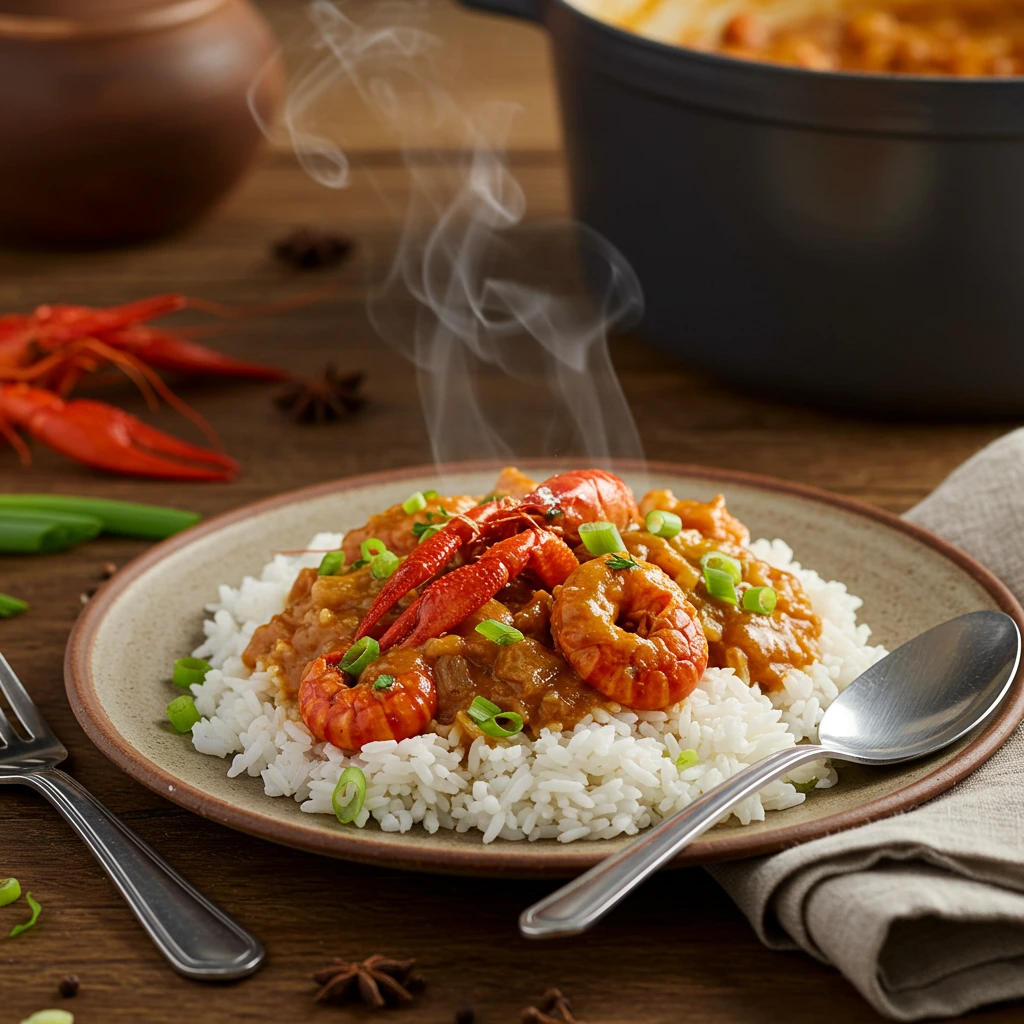
How to Make Crawfish Etouffee Recipe
Ingredients
- 1 lb (450g) Louisiana Crawfish Tails, peeled and defrosted
- ½ cup (120ml) Vegetable Oil or Canola Oil
- ½ cup (70g) All-Purpose Flour
- 1 large Yellow Onion, finely diced
- 2 stalks Celery, finely diced
- 1 large Green Bell Pepper, finely diced
- 4 cloves Garlic, minced
- 4 cups (960ml) Seafood Stock or Chicken Stock
- 1 (14.5 oz) can Diced Tomatoes, undrained (optional)
- ½ cup (120ml) Heavy Cream (optional)
- 2-3 tsp Cajun Seasoning (or to taste)
- 1 tsp Dried Thyme
- ½ tsp Dried Oregano
- ¼ tsp Cayenne Pepper (or more, to taste)
- Salt and Freshly Ground Black Pepper, to taste
- ¼ cup (40g) Fresh Parsley, chopped
- 2-3 Green Onions (scallions), thinly sliced
- Hot cooked rice, for serving
Instructions
- Step 1: Crafting the Golden Roux – The Soul of Your ÉtoufféeIn a large, heavy-bottomed pot or Dutch oven, heat the vegetable oil over medium heat. Once shimmering, gradually whisk in the all-purpose flour. Continue to whisk constantly and patiently for 10-15 minutes, or until the mixture transforms into a rich, peanut butter-colored roux. This is where the magic happens! Don’t rush this step; a perfectly toasted roux is paramount for the depth of flavor in your crawfish étouffée recipe. Pro Tip: If your roux starts to burn, discard it and start over. A burnt roux will make your entire dish bitter.
- Step 2: Sautéing the Holy Trinity – Building the Aromatic FoundationOnce your roux reaches the desired color, immediately add the diced yellow onion, celery, and green bell pepper to the pot. Stir continuously for 8-10 minutes, allowing the vegetables to soften and release their aromatic oils. The residual heat from the roux will help them cook down beautifully. Personalized Insight: Some chefs prefer to sauté their trinity separately before adding the roux, but integrating them into the roux allows the vegetables to absorb those deep, nutty flavors directly.
- Step 3: Infusing with Garlic and Spices – The Flavor ExplosionAdd the minced garlic, Cajun seasoning, dried thyme, dried oregano, and cayenne pepper to the pot. Cook for another 1-2 minutes, stirring constantly, until the garlic becomes fragrant. Be careful not to burn the garlic, as this can turn bitter quickly. The warmth will awaken the spices, creating an incredible aroma that will fill your kitchen.
- Step 4: Adding the Liquid – Achieving the Perfect ConsistencyGradually whisk in the seafood or chicken stock, a cup at a time, ensuring a smooth consistency after each addition. Continue whisking until all the stock is incorporated and the sauce begins to thicken. If using, stir in the diced tomatoes and their juices. Bring the mixture to a gentle simmer. Actionable Tip: If your sauce appears too thick, add a little more stock or water until you reach your desired consistency. If it's too thin, let it simmer uncovered for a few more minutes to reduce.
- Step 5: The Crawfish Grand Entrance – Bringing it All TogetherReduce the heat to low, and gently stir in the defrosted crawfish tails. If you're adding heavy cream for extra richness, now is the time to stir it in. Cook for just 5-7 minutes, or until the crawfish tails are heated through. Overcooking crawfish can make them tough, so be mindful of the timing. Taste and adjust seasonings with salt and freshly ground black pepper as needed. Your crawfish étouffée recipe is almost complete!
- Step 6: The Finishing Touch – Freshness and PresentationRemove the pot from the heat. Stir in half of the chopped fresh parsley and green onions. Ladle the hot crawfish étouffée generously over mounds of steaming white rice. Garnish with the remaining fresh parsley and green onions. Serve immediately and prepare for rave reviews!
There are no reviews yet. Be the first one to write one.